What began with used cooking oil collection has evolved into an integrated platform for discovering, aggregating and converting lower-carbon feedstocks at scale.
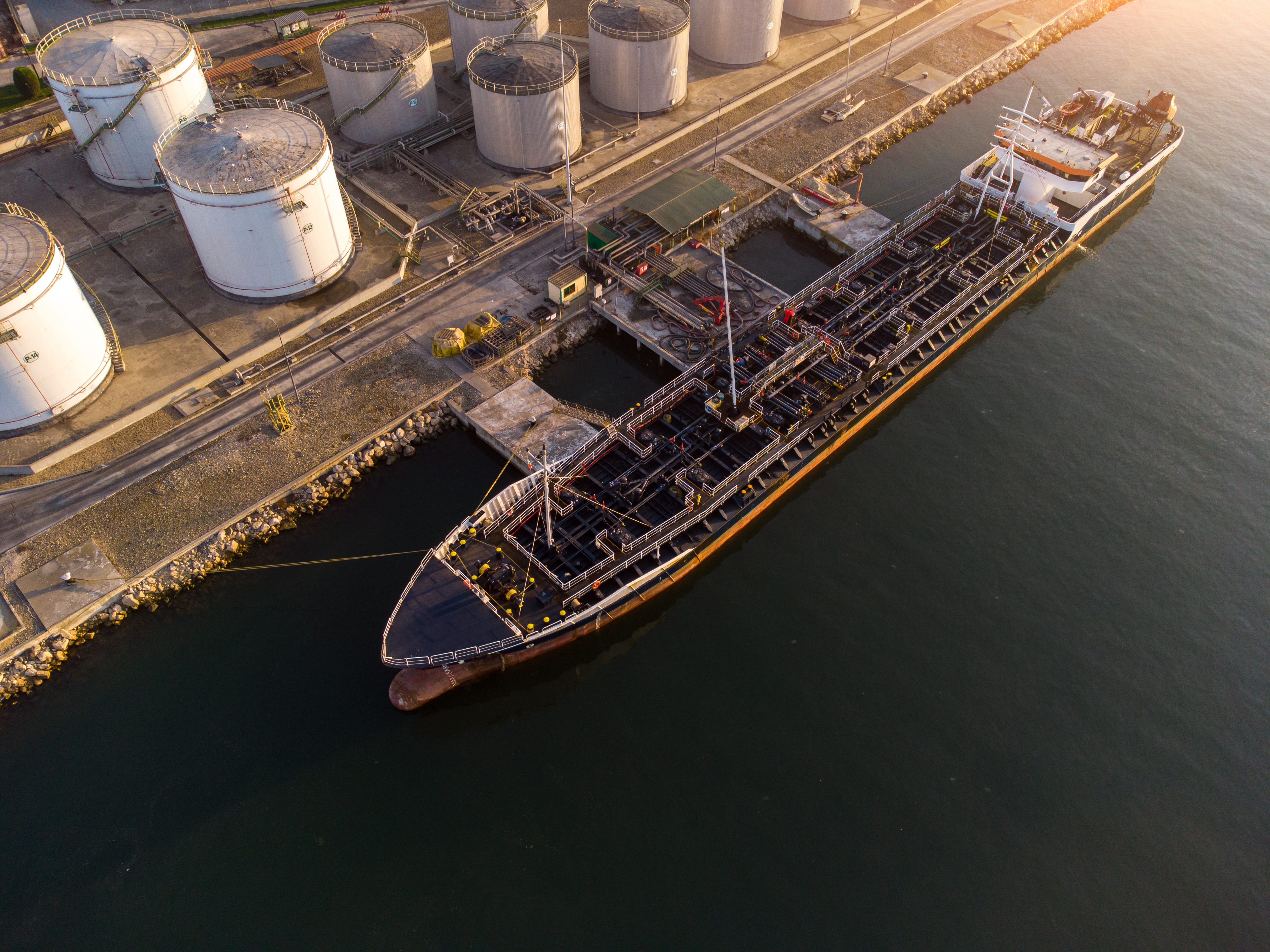
The hardest transport sectors will continue to need energy-dense liquid fuels.
Infrastructure already exists
Aviation, shipping and heavy transport depend on globally connected fuel systems and long-lived assets that will not be replaced quickly.
Low-carbon feedstock is constrained
Scalable production depends on eligible materials that are sustainable, traceable and economically deliverable — not simply available somewhere.
The supply chain is the real project
A feedstock has little energy value until collection, logistics, quality, certification and conversion work as one system.
We build the pathway from overlooked resource to investable energy stream.
{{ s.title }}
{{ s.body }}
One connected platform. Five reinforcing capabilities.
Each layer reduces risk for the next — creating a more defensible and dependable route to lower-carbon fuel production.
Building an integrated SAF platform from Southeast Asia.
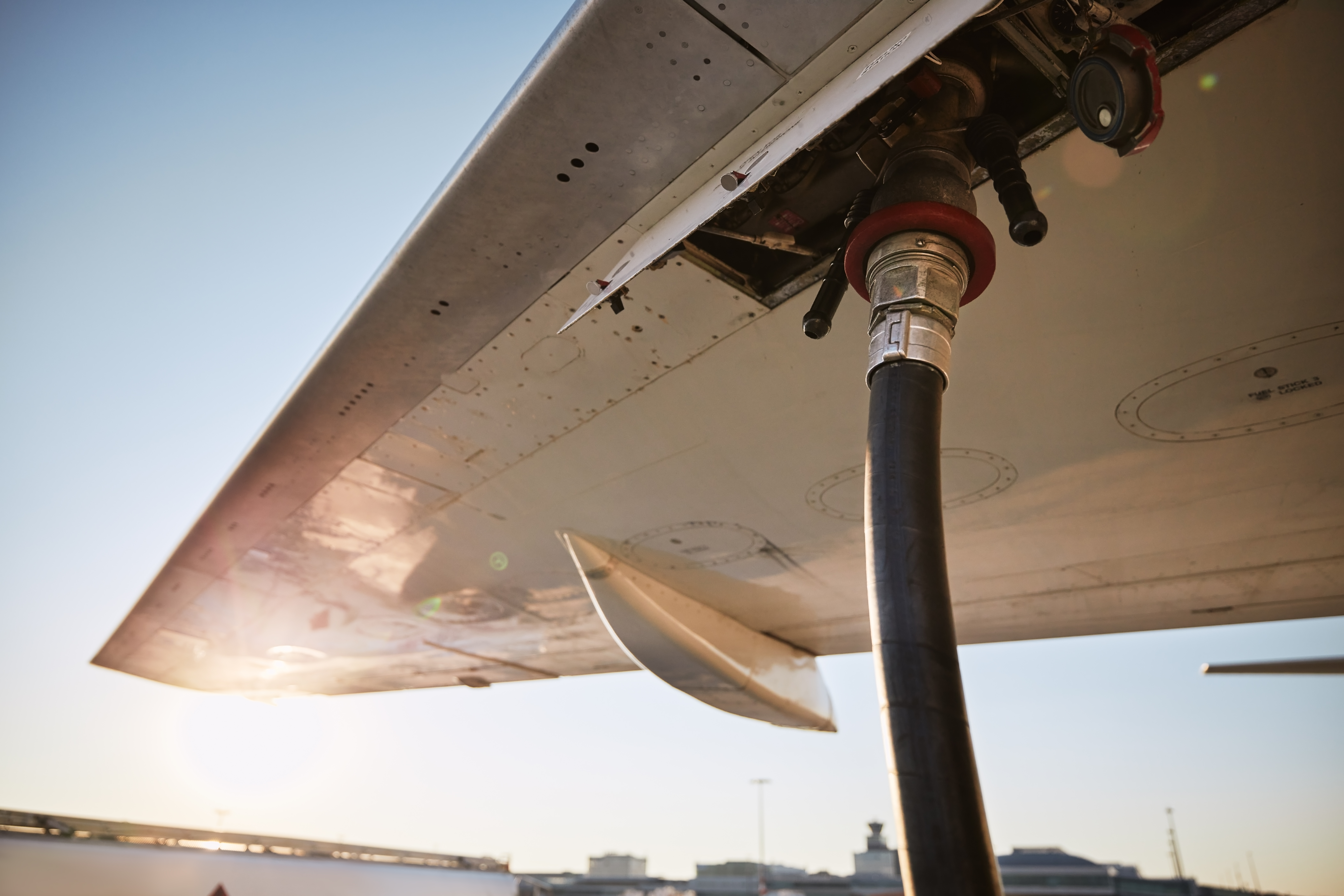
Aviation is one of the sectors where energy-dense liquid fuels remain essential. FatHopes is applying its upstream feedstock experience, traceability systems and regional logistics platform to the development of Sustainable Aviation Fuel.
FatHopes Refinery — Port Klang
As at September 2026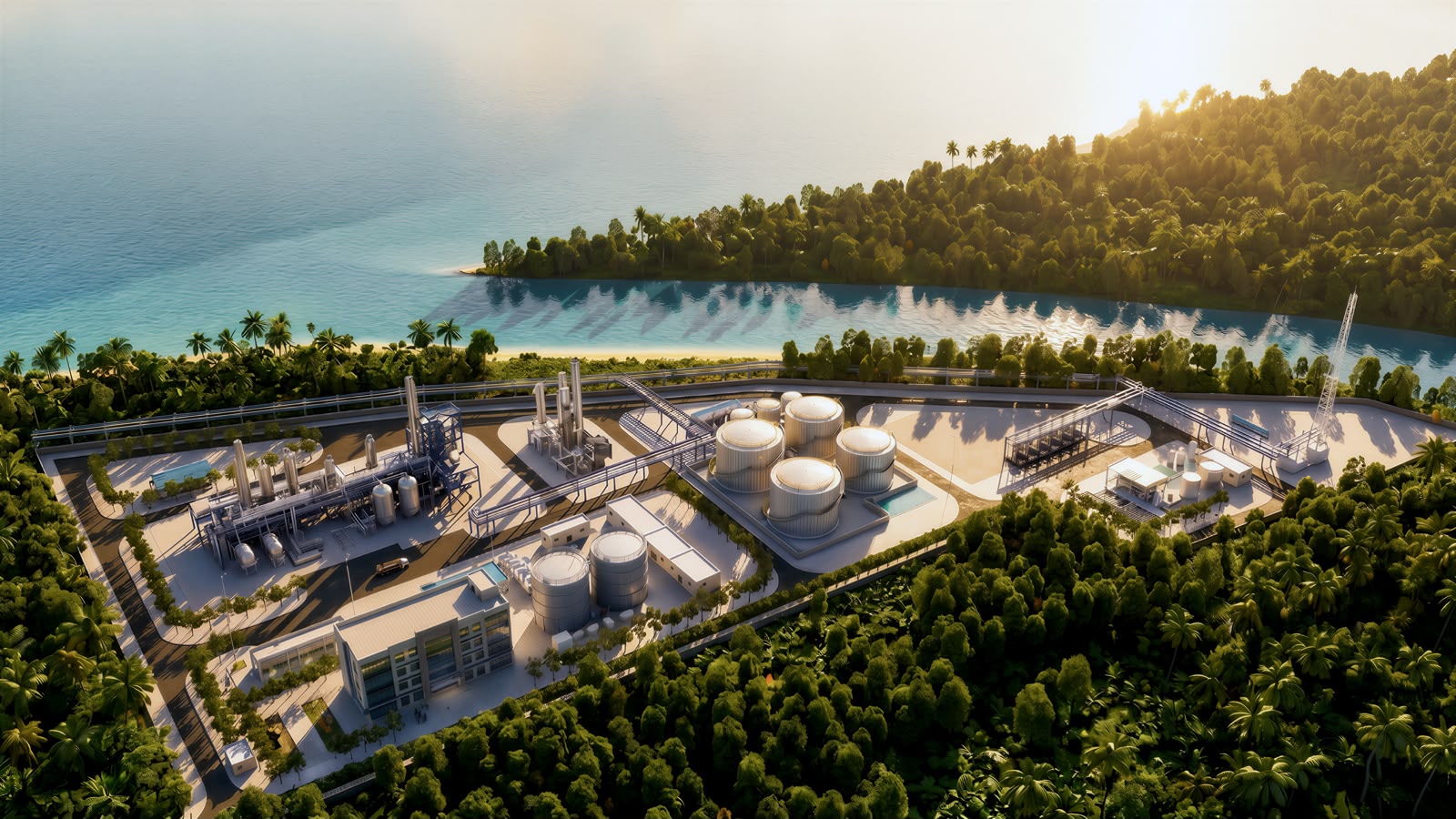
Local supply chains. Regional scale. Global relevance.
Why this matters to you
Circular-economy development, green jobs, supply-chain formalisation, energy resilience, export potential and measurable emissions reduction.
A vertically connected platform designed to reduce feedstock, traceability, logistics and project-development risk.
A pathway to originate feedstock, develop infrastructure, secure offtake and scale lower-carbon fuel ecosystems.
Partner ecosystem
Latest milestones
Building lower-carbon fuel systems requires aligned governments, industry and capital.
If you are exploring a national feedstock programme, strategic partnership, project investment or long-term offtake relationship, speak with our Group team.
Built from the feedstock up.
Since 2010, FatHopes Energy has worked at the difficult end of the low-carbon fuel value chain: locating fragmented waste materials, establishing trust at source, building physical collection systems and proving traceability across thousands of transactions.
Origin and evolution
Each stage of the Group’s growth added a layer the next one depended on — from a single material at source to integrated downstream capacity.
{{ e.title }}
{{ e.body }}
To decarbonise liquid fuels by developing transparent, scalable and economically viable pathways from overlooked resources to lower-carbon energy.
A future in which every eligible waste and residue stream is put to its highest-value use — and hard-to-abate transport can move with a far smaller climate impact.
What the Group does
{{ c.title }}
{{ c.body }}
Group structure
Shown as capability platforms. Legal entity structure will be published only once approved for disclosure.
Leadership
Deep operating experience across energy, logistics, sustainability and technology — the team that took the Group from a Malaysian collection startup to a regional feedstock and fuels platform.
How we operate
Sustainability before volume
Eligibility and lifecycle benefit are screened before tonnage is chased.
Traceability by design
Chain of custody is built into the operation, not reconstructed for audits.
Local value creation
Collectors, SMEs and communities participate in the value they generate.
Commercial discipline
Every stage must stand on delivered cost and defensible unit economics.
Governance and standards
{{ s.title }}
{{ s.lead }}
{{ s.body }}
“To accelerate the advent of drop-in sustainable biofuels globally.”
“Consistently developing sustainable fat, oil and grease solutions for the purpose of advanced biofuel production.”
Established in 2010 to develop sustainable fats, oils and grease solutions for advanced biofuel production, FatHopes Energy has cemented its position as a robust and reliable supplier of ready-to-use biofuels and biofuel feedstock to global markets — today Southeast Asia’s largest independent aggregator of waste and residue oils.
We understand the value of a reliable supply chain: it gives customers simple access to a complex, multi-stakeholder network with no development requirements of their own. With assets in strategic locations across Southeast Asia, we compete on delivered reliability and meet global standards.
Core values
We believe in steady, inclusive growth for every stakeholder — which means staying aware of local circumstances in each market we enter, and working with partners already well-versed in them.
{{ v.t }}
{{ v.b }}
Key competencies
Our goal is to be the best possible partner in organic material recovery and processing. Three competencies underpin that commitment.
{{ c.t }}
{{ c.b }}
Our people
{{ p.t }}
{{ p.b }}
The principles behind the sequence
{{ p.t }}
{{ p.b }}
The sequence is the product.
Anyone can trade a cargo. Very few can prove where every tonne came from, why it qualifies, and that the next one will arrive on specification.
A feedstock does not become an energy resource by accident.
It becomes viable when sustainability, quality, collection density, logistics, traceability, processing and economics are designed as one connected system.
Feedstock Opportunity Screen
How we assess, qualify and prioritise new feedstock opportunities.
Every candidate feedstock is assessed against nine criteria before material capital or operating commitments are made.
{{ s.t }}
{{ s.b }}
Working assessment framework — subject to sustainability, legal and commercial review.
A disciplined, stage-gated approach to developing new feedstock markets.
Each stage carries an explicit GO / NO-GO decision — the same discipline FatHopes applies to refinery development, where feasibility work feeds FEED, then FID, then EPC.
Building the supply chain
{{ c.t }}
{{ c.b }}
Every physical movement should create a trusted data record.
Traceability is treated as infrastructure, not reporting. The record is created at the point of collection and travels with the material.
Economics and scalability
The economics of waste-derived fuel are decided long before conversion. Density, handling and data reliability determine whether a feedstock is investable.
From proven supply to next-generation feedstocks
The model is local in execution and regional in scale.
The same capability stack adapts to a new material or a new country while respecting local regulation, geography and market structure.
A regional feedstock platform for a lower-carbon aviation future.
FatHopes is applying more than a decade of feedstock aggregation experience to one of transport's most difficult decarbonisation challenges: aviation.
Why SAF
{{ w.t }}
Climate benefit depends on feedstock, production pathway and lifecycle accounting. FatHopes does not use “zero-carbon” or “carbon-neutral” claims.
Integrated SAF value chain
Six connected stages. The first three are our established collection business; the last three are the new refining capabilities we are building.
{{ c.t }}
{{ c.b }}
Malaysia flagship project
As at September 2026Forward-looking statement: project targets, capacities and dates are indicative, subject to approvals, financing and technical confirmation, and do not constitute a commitment or a forecast.
HEFA — the most commercially advanced SAF pathway.
Hydroprocessed Esters and Fatty Acids converts fats, oils and greases into renewable fuels by treating them with hydrogen. It carries high maturity and low technology risk (TRL 9) and is widely adopted across the petrochemical industry.
Energy and material are recovered from bio-naphtha and process off-gases and fed back into hydrogen production, improving efficiency and lowering the plant’s carbon intensity. A 100–300 KTA plant is the typical optimal scale for the pathway — the FatHopes refinery sits at the top of that range.
The waste feedstocks we convert into fuel
A decade of aggregation expertise lets us secure a diversified, low-cost feedstock base — the primary constraint for every HEFA refinery.
{{ f.t }}
{{ f.b }}
What makes this refinery different
The plant draws its advantage directly from the Group’s aggregation business.
{{ d.t }}
{{ d.b }}
Why Port Klang
{{ p.t }}
{{ p.b }}
Development roadmap
Project de-risking
Building confidence across the supply chain, technology, site, market and capital stack.
Three ways to engage
A regional platform built one local supply chain at a time.
Depot locations as published on fathopesenergy.com. Development markets are shown as outlines, not operations — status per market is set out below.
Network statistics
Figures shown in lime are confirmed. The three marked “—” require an approved definition and value before publication.
Collection and aggregation depots
13 depots · 12 Malaysia · 1 SingaporePhysical consolidation points close to the collection base, from Peninsular Malaysia through Sabah and Sarawak into Singapore.
Depot network as published on fathopesenergy.com, September 2026. Group headquarters: Kelana Jaya, Petaling Jaya, Selangor.
Local value creation
Expansion approach
Expansion follows feedstock evidence and market viability — not map coverage for its own sake. A market enters the pipeline only when material availability, regulatory eligibility and delivered economics have been tested.
Complex energy transitions are built through aligned ecosystems.
Partner relationships as publicly announced by FatHopes Energy. Prospective or unannounced relationships are not published. Logos to be added once brand-use approvals are in place.
Milestone timeline
Newsroom
The information and access institutional partners need.
{{ r.title }}
Request a meeting
Institutional enquiries are routed to the Group team. We aim to respond within three business days.
Thank you — your enquiry has been logged.
Your enquiry has been prepared as a WhatsApp message to +60 12-239 7315 — send it from WhatsApp to complete the request. A member of the FatHopes Energy Group team will respond within three business days.
Where to reach the Group and the network.
Group headquarters in Petaling Jaya, thirteen collection and aggregation depots across Malaysia and Singapore, and a single route for institutional enquiries.